
- Introduction: Navigating the Evolving Landscape of Remote Work
- Defining Remote Work: Beyond the Home Office
- The Appeal Explosion: Understanding Remote Work Benefits
- Facing the Realities: Remote Work Challenges
- The Technological Backbone of Distributed Teams
- The Rise of Hybrid Work Models
- Future Gazing: Key Remote Work Trends Shaping Tomorrow
- Conclusion: Adapting to the Evolving Landscape of Remote Work
Introduction: Navigating the Evolving Landscape of Remote Work
The evolving landscape of remote work represents one of the most significant transformations in the modern workplace, accelerated dramatically by the global pandemic but driven by deeper technological and cultural shifts. What was once a niche arrangement for a select few has become a mainstream reality for millions, forcing companies and employees alike to adapt to new ways of collaborating, communicating, and conceptualizing the very idea of an “office.” This ongoing transition encompasses various models, from fully remote setups and flexible hybrid work arrangements to the adventurous life of the digital nomad. Understanding the trends, benefits, inherent challenges, and technological underpinnings of this shift is crucial for navigating the future of work. As organizations grapple with return-to-office mandates, employee preferences, and productivity metrics, the discussion around the optimal work model continues with fervent debate across platforms like Reddit and beyond.
This article delves into the multifaceted nature of remote work today. We’ll explore its various definitions, unpack the compelling benefits driving its adoption, confront the challenges that individuals and organizations face, examine the technologies that make it possible, discuss the popular middle ground of hybrid models, and look ahead at the key remote work trends shaping its future trajectory. The goal is to provide a comprehensive overview of this dynamic phenomenon and its profound implications for how we work and live.
Defining Remote Work: Beyond the Home Office
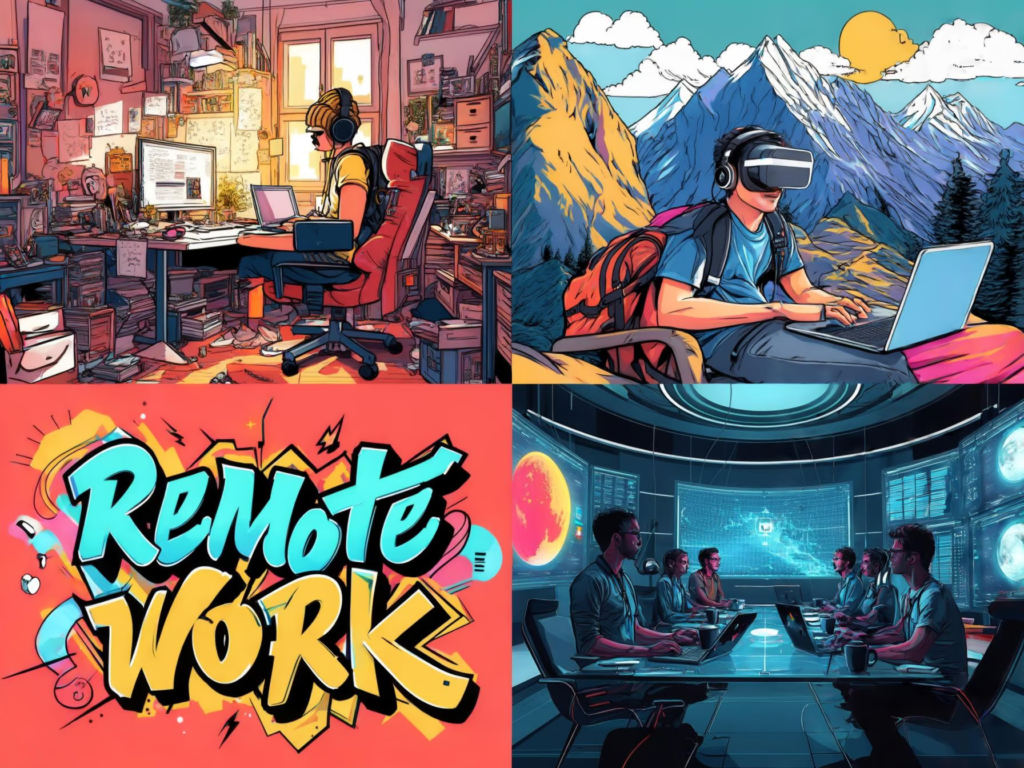
While often used interchangeably, terms related to working outside a traditional office have distinct nuances within the evolving landscape of remote work:
- Remote Work: The broadest term, referring to any work performed outside a central physical office location. This could be from home, a co-working space, a coffee shop, or anywhere with an internet connection. The key is the detachment from a mandatory office presence.
- Work From Home (WFH): A specific type of remote work where the employee primarily operates from their personal residence. This became the default for many during pandemic lockdowns.
- Hybrid Work: A model blending remote work with in-office work. Employees typically spend some days working remotely and others at the company’s physical location. The specific structure (e.g., fixed days, employee choice) varies widely.
- Distributed Teams: Refers to teams where members are geographically dispersed, often across different cities, states, or even countries, collaborating primarily through digital means. A fully distributed company may have no central headquarters at all.
- Digital Nomad: Individuals who leverage remote work opportunities to travel and work from various locations globally, often embracing a location-independent lifestyle.
Understanding these distinctions is important as companies design policies and employees seek arrangements that best fit their needs. The pandemic forced many into WFH, but the current evolution involves more deliberate choices between fully remote, hybrid, and location-flexible models, contributing to the dynamic nature of the future of work.
The Appeal Explosion: Understanding Remote Work Benefits
The surge in remote and hybrid work adoption isn’t accidental; it’s fueled by a compelling array of benefits for both employees and employers:
For Employees:
- Flexibility and Autonomy: Greater control over work schedules, location, and environment, often leading to improved work-life balance.
- No Commute: Saving significant time, money, and stress previously spent traveling to and from an office.
- Increased Productivity (Potentially): Many individuals report higher focus and productivity in a controlled home environment, free from office distractions. Research findings vary, often depending on the role and individual (see some remote work statistics).
- Improved Well-being: More time for family, hobbies, exercise, and personal appointments can contribute to reduced stress and better overall health.
- Location Independence: Ability to live in areas with a lower cost of living or closer to family, including opportunities for the digital nomad lifestyle.
For Employers:
- Wider Talent Pool: Ability to recruit the best talent regardless of geographic location, creating more diverse and skilled distributed teams.
- Reduced Overhead Costs: Potential savings on office space rent, utilities, supplies, and maintenance.
- Increased Employee Retention: Offering remote work flexibility is a highly valued perk that can improve morale and reduce turnover.
- Potential Productivity Gains: As mentioned, many roles see productivity increases when employees have focused work time.
- Business Continuity: Remote capabilities enhance resilience against disruptions like pandemics, natural disasters, or office closures.
These combined remote work benefits create a powerful value proposition that continues to drive interest despite ongoing debates about optimal implementation.
Facing the Realities: Remote Work Challenges
Despite its advantages, the evolving landscape of remote work is not without significant hurdles:
- Social Isolation and Loneliness: Lack of spontaneous social interaction and camaraderie found in an office can negatively impact mental health and team cohesion.
- Communication Barriers: Replicating informal communication, brainstorming sessions, and quick clarifications can be difficult remotely, potentially leading to misunderstandings or delays. Effective virtual collaboration requires deliberate effort.
- Blurred Work-Life Boundaries: The home office can easily become an “always-on” office, making it difficult to disconnect and leading to burnout.
- Management Difficulties: Managers need new skills to lead distributed teams effectively, focusing on outcomes rather than presence, fostering trust, and ensuring equitable opportunities for remote employees.
- Cybersecurity Risks: Supporting a remote workforce expands the company’s potential attack surface, requiring robust security measures for home networks and devices.
- Onboarding and Training Challenges: Integrating new hires into the company culture and providing effective training can be more complex remotely.
- Home Office Setup and Distractions: Not everyone has a suitable, quiet space for work at home, and distractions from family or household tasks can impede focus.
- “Proximity Bias”: Risk that managers may unconsciously favor or provide more opportunities to employees they see in the office regularly over remote colleagues in hybrid work environments.
Addressing these remote work challenges requires intentional strategies, clear communication protocols, supportive management practices, and appropriate technological tools.
The Technological Backbone of Distributed Teams
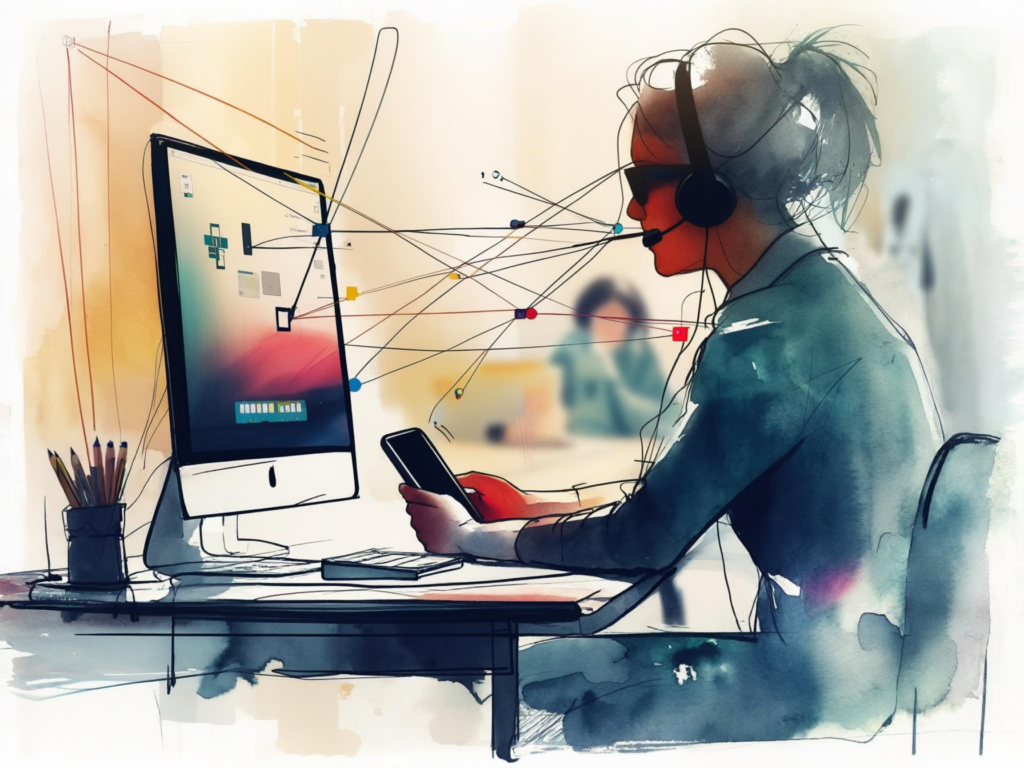
Modern remote work is fundamentally enabled by a suite of digital technologies designed for communication, collaboration, and project management. Key tools include:
- Communication Platforms: Instant messaging apps (Slack, Microsoft Teams), video conferencing software (Zoom, Google Meet), and email remain crucial for staying connected.
- Project Management Software: Tools like Asana, Trello, Jira, and Monday.com help teams track tasks, manage workflows, and monitor progress transparently.
- Cloud Computing and Storage: Services like Google Workspace, Microsoft 365, Dropbox, and AWS allow seamless access to documents, data, and applications from anywhere.
- Virtual Private Networks (VPNs): Essential for secure access to company networks and resources.
- Collaboration Tools: Digital whiteboards (Miro, Mural), collaborative document editing (Google Docs, Office 365), and knowledge bases (Confluence, Notion) facilitate shared work.
- Remote Desktop Software: Allows access to specific office computers or specialized software remotely.
Effective use of these tools is paramount for successful virtual collaboration and maintaining productivity within distributed teams. Companies often need to invest in training and establishing clear guidelines for tool usage.
The Rise of Hybrid Work Models
As companies navigate the desire for flexibility with the perceived benefits of in-person interaction, hybrid work models have emerged as a popular compromise within the evolving landscape of remote work. However, “hybrid” is not monolithic; common approaches include:
- At-Will Model: Employees choose which days to come into the office. Offers maximum flexibility but can be challenging for team coordination.
- Split-Week Model: Teams or departments have designated in-office days and remote days each week (e.g., Tue/Wed/Thu in-office). Provides structure but less individual flexibility.
- Remote-First Model: Remote work is the default, but physical office hubs are available for occasional meetings, collaboration sessions, or focused work.
- Office-First Model: In-office work is the default, but employees have the option to work remotely on certain days or under specific circumstances.
Designing an effective hybrid model requires careful consideration of team needs, equity between remote and in-office employees (avoiding proximity bias), optimizing office space for collaboration rather than just individual desks, and clear communication of expectations. Finding the right balance is an ongoing experiment for many organizations. Read insights on hybrid work strategies here.
Future Gazing: Key Remote Work Trends Shaping Tomorrow
The evolving landscape of remote work continues to shift. Several key remote work trends are likely to shape its future:
- Focus on Asynchronous Communication: Reducing reliance on real-time meetings and prioritizing communication methods (detailed documentation, recorded videos, thoughtful messages) that allow colleagues in different time zones or on flexible schedules to contribute effectively.
- Rise of Sophisticated Collaboration Tools: Development of more immersive and integrated tools, potentially incorporating VR/AR (the “metaverse”) for virtual meetings and collaborative design, though widespread adoption remains uncertain.
- Performance Over Presence: Continued shift towards evaluating employees based on outcomes, results, and contributions rather than hours spent visibly working, whether in-office or online.
- Increased Emphasis on Intentional In-Person Interaction: Offices redesigned as hubs for specific purposes – team building, complex collaboration, onboarding, social events – rather than daily individual work.
- Growth of Global Distributed Teams: More companies embracing truly global talent pools, requiring sophisticated management of different cultures, time zones, and regulations.
- Evolving Digital Nomad Ecosystem: Growth in co-living spaces, specialized visas (Digital Nomad Visa info), and support services catering to location-independent professionals.
- AI’s Role: AI tools increasingly assisting with remote tasks like meeting summaries, automated scheduling, personalized productivity recommendations, and even virtual team support.
These trends suggest a continued move towards more flexible, distributed, and digitally enabled work models, defining the future of work.

Conclusion: Adapting to the Evolving Landscape of Remote Work
In conclusion, the evolving landscape of remote work is far more than a temporary reaction to a crisis; it’s a fundamental reshaping of how work gets done, driven by technology, employee expectations, and a re-evaluation of productivity and well-being. From fully remote arrangements and the digital nomad life to various hybrid work models, organizations and individuals are navigating a complex terrain filled with both significant remote work benefits and notable remote work challenges. Success hinges on leveraging the right technologies for virtual collaboration, fostering supportive management practices for distributed teams, and intentionally designing work structures that balance flexibility with connection and purpose. As remote work trends continue to unfold, adaptability, clear communication, and a focus on equitable experiences will be crucial for thriving in the dynamic future of work. The conversation, much like the one happening daily on platforms like Reddit, is ongoing, and finding the optimal path forward requires continuous learning and adjustment within this ever-evolving landscape of remote work.