
- Introduction: Analyzing the Fallout TV Show Impact
- Unexpected Triumph: The Critical Acclaim of the Fallout Series
- Back to the Vault: Witnessing the Massive Player Count Surge
- Welcome, Smoothskins: How the Show Attracted New Fans
- Bethesda’s Capitalization and the Fallout 4 Update Conundrum
- Lessons from a Successful Game Adaptation
- Beyond the Hype: Sustaining the Franchise Revival
- Conclusion: The Enduring Fallout TV Show Impact
Introduction: Analyzing the Fallout TV Show Impact
The Fallout TV Show Impact on the beloved video game franchise has been nothing short of phenomenal, demonstrating the powerful synergy that can exist between different entertainment mediums when executed correctly. Released on Amazon Prime Video in April 2024, the television adaptation, helmed by Jonathan Nolan and Lisa Joy (of Westworld fame), wasn’t just another attempt to translate complex game lore to the screen; it was a critical and commercial success that sent reverberations throughout the gaming community. Almost overnight, interest in the post-apocalyptic world of Fallout games surged dramatically, bringing veteran players back to the wasteland and introducing a whole new generation of new fans to its unique blend of retrofuturism, dark humor, and survival gameplay. This article delves into the multifaceted impact of the show, exploring its reception, the tangible effects on game engagement, and what it means for the future of the franchise.
For years, fans approached video game adaptations with skepticism, often burned by past productions that failed to capture the essence of their source material. The Fallout series, however, managed to break this trend. By respecting the established lore while carving out its own compelling narrative within the same universe, the showrunners created something that appealed to both longtime enthusiasts and complete newcomers. The immediate consequence was a remarkable resurgence for the games, particularly noticeable across platforms like Steam and consoles, highlighting a significant franchise revival driven directly by the show’s popularity.
Unexpected Triumph: The Critical Acclaim of the Fallout Series
Expectations were cautiously optimistic, but the reality of the Fallout TV show’s reception exceeded most predictions. Critics lauded the series for its high production values, strong performances (particularly from Ella Purnell, Aaron Moten, and Walton Goggins), and its masterful balancing act of capturing the games’ distinct tone. It skillfully blended harrowing post-apocalyptic survival with biting satire and moments of genuine human connection. Crucially, the showrunners chose not to directly adapt any single game’s plotline. Instead, they crafted an original story set in the familiar universe, incorporating iconic elements like Vault-Tec, the Brotherhood of Steel, ghouls, and the harsh realities of the wasteland, while ensuring the narrative remained accessible.
This approach proved highly effective. Existing fans appreciated the deep cuts, the faithful recreation of the aesthetic, and the expansion of the lore, while newcomers were drawn in by a compelling character-driven story that didn’t require prior knowledge. The show’s availability on a major streaming platform like Amazon Prime Video ensured a wide reach, further amplifying its success. Positive word-of-mouth spread rapidly online, particularly on forums like Reddit, fueling viewership and contributing significantly to the overall positive Fallout TV Show Impact. It wasn’t just seen as a good game adaptation; it was hailed as great television in its own right.

Back to the Vault: Witnessing the Massive Player Count Surge
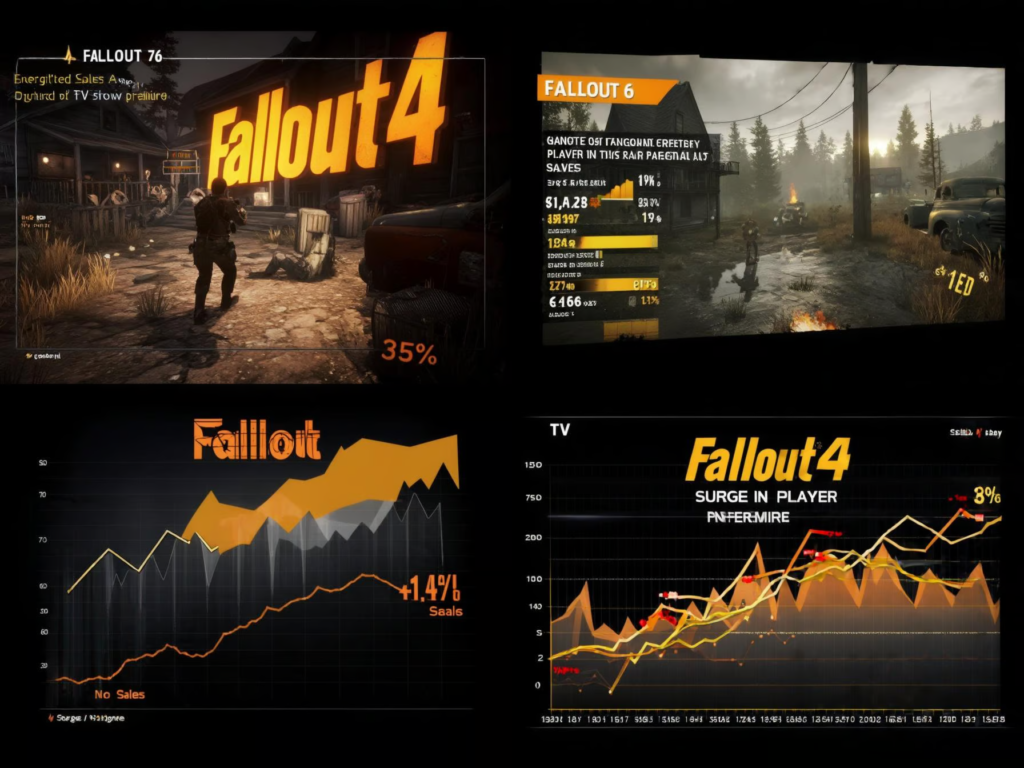
The most direct and measurable evidence of the Fallout TV Show Impact was the staggering increase in player activity across nearly all the mainline Fallout games. Within days of the show’s premiere, sales charts and player concurrency numbers exploded:
- Fallout 76: Bethesda’s online multiplayer title, which had a rocky launch but has since found its footing, saw its player count reach unprecedented new highs on Steam and consoles, reportedly surpassing one million players across all platforms in a single day (as reported by IGN). The show seemed to finally convince many hesitant players to give the online wasteland a try.
- Fallout 4: Released in 2015, this single-player RPG experienced a massive resurgence, becoming a top seller on various platforms nearly a decade after its initial launch. Steam Charts showed concurrent player numbers jumping significantly, often exceeding 150,000 players.
- Older Titles: Even older games like Fallout: New Vegas (2010) and Fallout 3 (2008) saw remarkable spikes in player engagement, demonstrating that the show sparked interest across the entire franchise history.
This player count surge wasn’t just a minor bump; it represented a significant re-engagement with the franchise on a scale rarely seen, driven almost entirely by the success of the television series. Game servers were bustling, online forums were alive with discussion, and retailers saw physical copies flying off shelves. It was a clear testament to the show’s ability to reignite passion for the world Bethesda built.
Welcome, Smoothskins: How the Show Attracted New Fans
Perhaps one of the most significant aspects of the Fallout TV Show Impact is its success in drawing new fans into the complex universe. Video games, especially long-running RPG series like Fallout, can have a high barrier to entry due to intricate lore, complex mechanics, and potentially dated graphics in older titles. The TV show provided a narrative-driven, visually engaging, and easily digestible entry point.
By focusing on compelling characters – Lucy, the naive Vault Dweller; Maximus, the ambitious Brotherhood squire; and The Ghoul, the cynical bounty hunter – the show gave viewers relatable anchors in the unfamiliar world. The plot unfolded organically, introducing concepts like Vaults, radiation, mutated creatures, and warring factions without overwhelming the audience. This curated experience allowed viewers to grasp the core themes and atmosphere of Fallout without needing to have played hundreds of hours of the games. Many viewers who enjoyed the show felt compelled to experience the world firsthand, leading them to purchase and play the Fallout games, effectively expanding the franchise’s audience base significantly.
Bethesda’s Capitalization and the Fallout 4 Update Conundrum
Game publisher Bethesda Game Studios and parent company Microsoft were understandably keen to capitalize on the show’s success. They ran promotions, offered free play weekends for Fallout 76, and prominently featured the franchise across digital storefronts. The timing seemed perfect for the long-awaited Fallout 4 next-gen update, intended to bring graphical enhancements and performance improvements to the 2015 title for modern consoles (PlayStation 5, Xbox Series X/S) and PC.
However, the execution of the update became a notable hiccup amidst the overwhelmingly positive wave of the show’s impact. Released shortly after the show’s peak buzz, the update was met with a mixed reception. While it introduced some welcome features like widescreen support and performance/quality modes on console, it also suffered from numerous bugs, broke compatibility with popular mods (a cornerstone of Fallout 4’s longevity on PC), and failed to deliver truly transformative visual upgrades for many players. This unfortunate timing meant that many new players jumping into Fallout 4 due to the show encountered technical issues, somewhat dampening the otherwise celebratory mood. It served as a reminder that capitalizing on momentum also requires careful execution on the game development side (read more on update issues).
Lessons from a Successful Game Adaptation
The success of the Fallout series offers valuable lessons for future video game adaptations, a genre historically fraught with failures. Key takeaways include:
- Respect the Source, Don’t Replicate It: Creating an original story within the established universe, rather than a direct retelling of a game’s plot, allows for creative freedom while maintaining fidelity to the world’s tone and lore.
- Focus on Character and Theme: Compelling characters and resonant themes are universal, attracting audiences regardless of their familiarity with the game mechanics or specific plot points.
- Collaboration is Key: Close collaboration between the showrunners and the game developers (in this case, Todd Howard of Bethesda) helps ensure authenticity and consistency.
- Understand the Essence: Capturing the unique *feel* of the game – its specific blend of humor, horror, satire, and retrofuturism – was crucial to Fallout’s success.
- Leverage Transmedia Potential: A successful adaptation can act as a powerful marketing tool, driving engagement back to the source material and revitalizing a franchise.
Fallout joins the ranks of shows like The Last of Us and Arcane (League of Legends) in proving that game adaptations can be both critically acclaimed and commercially successful, setting a higher standard for the genre.
Beyond the Hype: Sustaining the Franchise Revival
The immediate Fallout TV Show Impact is undeniable, but the question remains: can this momentum be sustained for a long-term franchise revival? Retaining the influx of new fans requires ongoing effort from Bethesda. This could involve:
- Continued Support for Existing Games: Regularly updating Fallout 76 with new content and addressing technical issues in games like Fallout 4 (especially post-update problems) is crucial for keeping both new and veteran players engaged.
- Future Game Development: While Fallout 5 is likely many years away (given Bethesda’s focus on Starfield and the upcoming Elder Scrolls VI), the show’s success could influence its development direction or potentially greenlight other projects within the universe.
- Future Show Seasons: A second season of the Fallout show has already been confirmed, providing another major touchpoint to maintain interest and potentially introduce more game elements or locations.
- Community Engagement: Actively engaging with the revitalized community, acknowledging feedback, and fostering a welcoming environment for newcomers will be important.
Sustaining the revival requires a multi-pronged strategy that leverages the goodwill generated by the show across the entire Fallout ecosystem. The opportunity exists to solidify Fallout’s position as a premier cross-media franchise for years to come.
Conclusion: The Enduring Fallout TV Show Impact
In conclusion, the Fallout TV Show Impact has been transformative, breathing new life into a nearly 30-year-old franchise in a way few could have predicted. Through its critical acclaim, faithful yet original storytelling, and broad accessibility via Amazon Prime Video, the show successfully reignited interest among existing fans and captured the imagination of millions of newcomers. This translated directly into a massive player count surge across the Fallout games, creating a significant moment of franchise revival. While challenges like the mixed reception of the Fallout 4 next-gen update exist, the overall effect has been overwhelmingly positive. The show serves as a powerful case study in successful video game adaptation and highlights the immense potential of transmedia synergy. The future looks bright for the wasteland, thanks in large part to the enduring Fallout TV Show Impact.